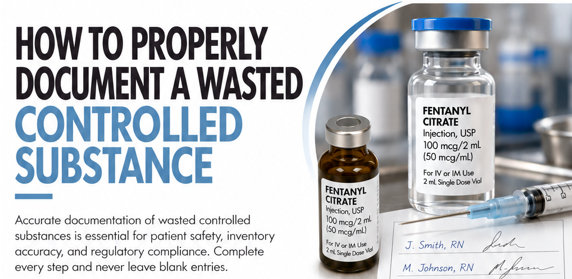
Properly documenting a wasted controlled substance isn’t just paperwork — it’s a key safeguard for patient safety, accurate inventory, and regulatory compliance.
Read More
Properly documenting a wasted controlled substance isn’t just paperwork — it’s a key safeguard for patient safety, accurate inventory, and regulatory compliance.
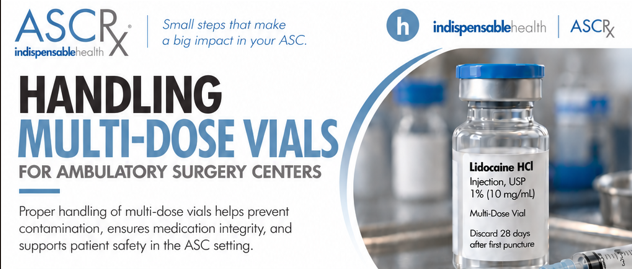
Read MoreMulti-dose vials offer convenience, but only when they’re handled correctly — improper access or storage can lead to contamination and put patients at risk. A quick refresher for your team can go a long way toward keeping medication use safe and consistent across your ASC.
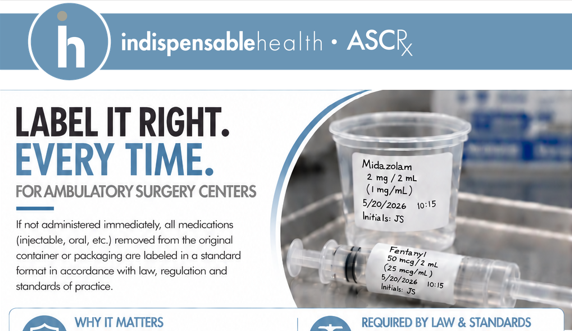
Read MoreThe AAAHC Quality Roadmap states, “Improve medication labeling compliance by ensuring syringes, IV bags, drawers, cabinets, and storage containers are labeled with drug name, strength, expiration date and time, and preparer identification when medications are not immediately administered.”
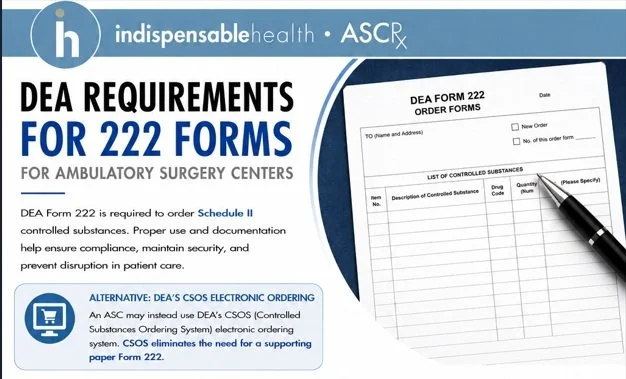
Read MoreDEA Form 222 is an official order form used by DEA registrants to purchase and transfer Schedule II controlled substances.
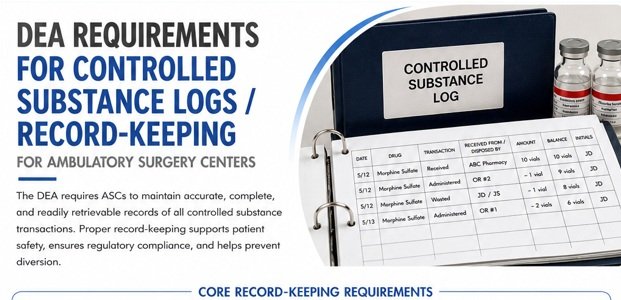
Read MoreThe DEA requires ASCs to maintain accurate, complete, and readily retrievable records of all controlled substance transactions. Note that some states may have more stringent requirements than that of the DEA. Be sure to comply with federal DEA regulations and applicable state law, whichever is more stringent.
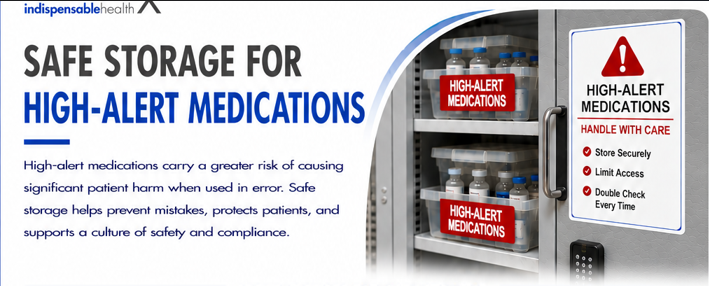
Read MoreFor High-Alert Medications, thoughtful storage practices can help reduce risk by making these medications easier to identify, differentiate, and handle safely. Here are several strategies ASCs can incorporate into their medication storage practices.
Read MoreThe AAAHC Quality Roadmap shows that among Surveyor Findings are:
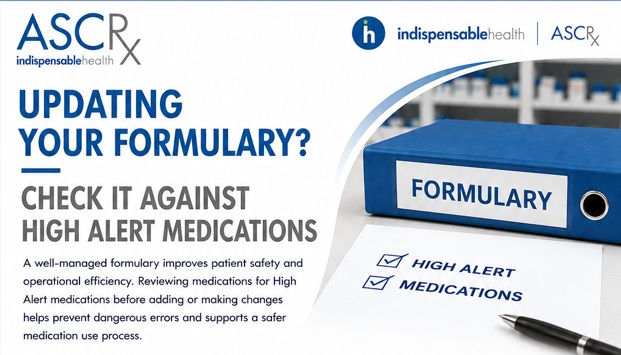
High-alert...lists absent, outdated, or not aligned with formulary;
ISMP references not current;
High-alert medication safeguards not established;
Medications not consistently identified, labeled, segregated, or
differentiated;
Staff unaware of high-alert medications
Guidance from AAAHC is to "Implement a comprehensive medication safety framework that defines facility-specific high-alert ... medications using current ISMP and ECRI resources, with annually
updated lists posted in all medication storage and preparation areas."
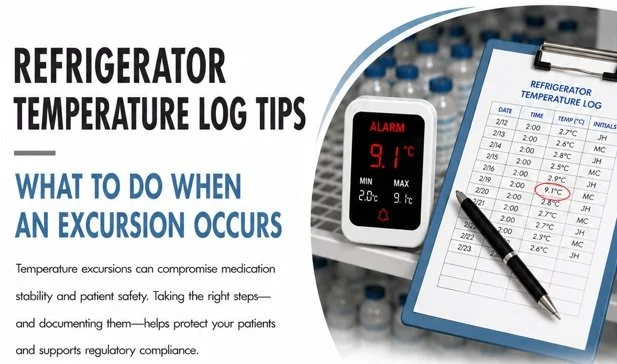
The AAAHC Quality Roadmap shows that among Surveyor Findings is “… unreliable refrigeration monitoring…”.
Guidance includes to “Strengthen temperature monitoring and environmental controls using refrigerator-specific logs with minimum and maximum temperatures, defined corrective actions for excursions...”.
The bottom line: when there is an excursion, regulators and accreditors want to see that you have a reliable process — not just that nothing went wrong.
Read More